
Female Fertility Preservation

Understanding Female Fertility

Reproductive health can often feel complex, but with the right guidance and support, it becomes easier to navigate. Our skilled team is available to provide guidance, answer your questions, and help you explore options tailored to your individual path toward parenthood.

building_awareness

Building Awareness

Taking the step to understand your fertility is empowering. Awareness not only allows you to make informed decisions but also opens up access to personalised treatment and fertility preservation options. With expert care, you can approach your journey with confidence and a clear plan forward.

What Can Affect Fertility?

TA woman’s ability to conceive can depend on several factors, such as:

  • Age – fertility naturally declines over time.
  • Medical history – certain health conditions or previous treatments can play a role.
  • Reproductive conditions – Certain reproductive conditions, such as ovulation disorders, PCOS, or endometriosis, can affect fertility.

Recognising these factors can help you take proactive steps toward conception. To discuss personalised treatment plans, schedule an appointment with our specialists today.

Book Appointment

Women are born with 1–2 million eggs (oocytes), but by the time of their first period, this number reduces to around 300,000. From the age of 35, fertility begins to decline as both the number and quality of remaining eggs decrease.

Since the fallopian tubes are delicate and narrow, they can easily become blocked or damaged. This may prevent sperm from reaching the egg, affect embryo development, and interfere with implantation in the uterus. While surgery can sometimes correct tubal infertility, in vitro fertilisation (IVF) may be recommended if surgery is not possible or unsuccessful.

These are non-cancerous growths in the uterine muscle that become more common with age. They may need treatment if they interfere with fertility.

In this condition, the ovaries produce excess male hormones (androgens), leading to enlarged ovaries with a thick outer surface and many small cysts. These cysts are harmless but may cause irregular or absent periods, affecting fertility. PCOS can be managed with medication, while larger cysts may require surgical removal.

Cancer therapies such as chemotherapy and radiotherapy can negatively affect female fertility.

In some cases, infertility occurs despite normal ovulation, sperm health, and fallopian tube function, with no identifiable cause. In such cases, assisted reproductive technologies (ART), including IVF, can help couples achieve pregnancy.

Protecting Fertility for the Future

We offer fertility preservation services at no cost for women facing serious medical conditions or undergoing treatments that may impact fertility. These services provide an important option for patients wishing to safeguard their ability to have children in the future.

For Women Undergoing Cancer Treatment

Treatments such as chemotherapy and radiotherapy can damage ovarian eggs. Since women are born with a fixed number of eggs, any loss caused by treatment cannot be replaced. Fertility preservation before cancer treatment provides the possibility of having children in the future.

protecting_fertility
Oocyte

Protecting Fertility for the Future

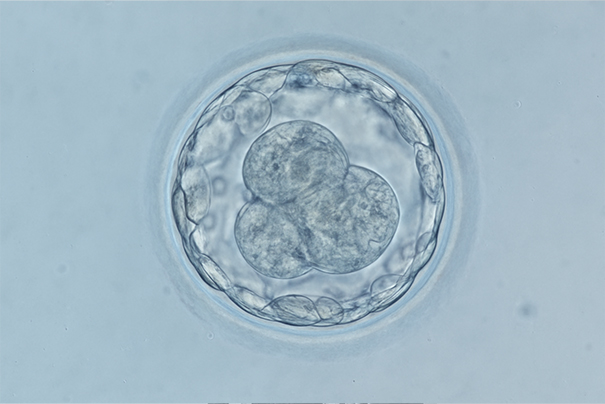
  1. Oocyte and Embryo Freezing
  2. We offer fertility preservation services at no cost for women facing serious medical conditions or undergoing treatments that may impact fertility. These services provide an important option for patients wishing to safeguard their ability to have children in the future.
  3. Ovarian Tissue Freezing
  4. A small portion of ovarian tissue can be surgically removed and frozen for later use, offering additional options for fertility preservation. Although still considered a developing technique, reimplantation of this tissue has already resulted in successful pregnancies in some women.

Helping you every step of the way

At Dhiya Fertility & Maternity Centre (DFMC), we’re committed to safeguarding your reproductive future. We provide fertility preservation and storage for up to 10 years.

Consultation

Once your DFMC Fertility Preservation Referral form (female or male) is completed, you’ll meet with a fertility specialist to discuss your situation and the most suitable preservation options.

Assessment

You’ll undergo the necessary fertility tests and procedures—such as ovarian stimulation for women or sperm analysis for men—to prepare for preservation.

Collection

Your eggs, embryos, or sperm are carefully collected, prepared for freezing, and placed into secure long-term storage.

Ongoing Support

Our team will continue to support you throughout the process, offering guidance and reassurance whenever you need it.

whatsapp