In Vitro Fertilisation (IVF) is a form of assisted reproductive treatment where an egg is fertilised with sperm in a laboratory setting. The embryo is placed in the uterus to help achieve pregnancy. IVF is often recommended when other fertility treatments haven’t been successful or when there are particular medical reasons that affect natural conception.
Starting IVF is a key step filled with hope. At DFMC, our caring team walks beside you at every stage, offering guidance, emotional support, and clinical expertise. With personalised treatment strategies, we help you move toward parenthood with confidence and reassurance.
Listening to your body, adapting to your needs
Your IVF journey is designed around the treatment plan created by your DFMC Fertility Specialist. Throughout the process, our Fertility Specialists and Embryologists carefully monitor your progress and adjust the approach based on how your body responds, ensuring truly individualised care.
Through blood tests and ultrasound scans, our team tracks your natural cycle and response to prescribed medications. This close monitoring ensures your treatment is progressing in line with your personalised plan.
Also called Oocyte Pick Up (OPU), this procedure is performed when your eggs are mature, usually around day 10–14 of your cycle. It is carried out in our Hospital theatres under light anaesthesia, ensuring comfort and safety.
On the same day, a sperm sample is collected from the male partner, usually through masturbation. If this isn’t possible, alternative medical methods can be used. The sample is prepared in our lab to boost fertilisation chances.
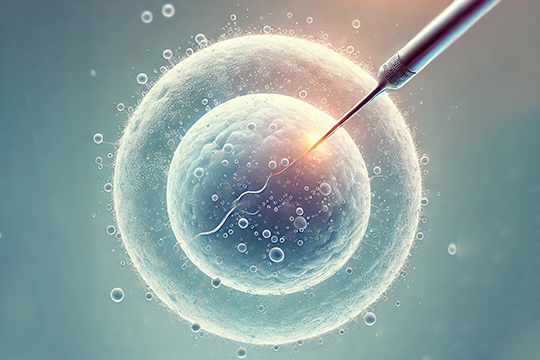
The collected eggs and sperm are combined in our laboratory to form embryos. In certain cases, an advanced method called ICSI (Intracytoplasmic Sperm Injection) may be used, where a single sperm is directly injected into the egg.
The embryos are closely observed for quality, growth, and development. Our team ensures that the healthiest embryo is identified for transfer.
The best embryo is placed in the uterus, followed by guidance on monitoring early signs of pregnancy. If the body isn’t ready for transfer, embryos can be safely frozen and stored for a future Frozen Embryo Transfer cycle.