Intrauterine Insemination (IUI)

What is IUI?

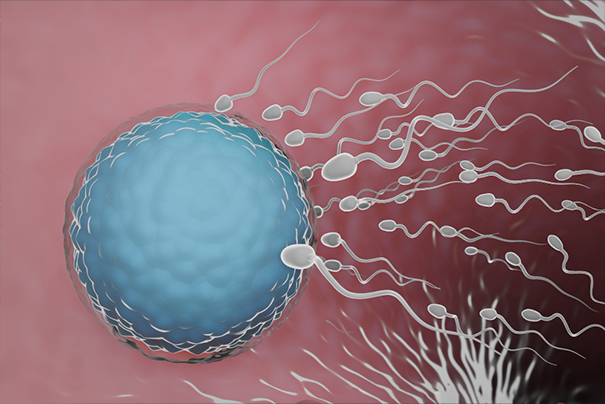
Intrauterine Insemination (IUI) is a treatment where specially processed sperm is introduced into the uterus, helping increase the chances of conception. In some cases, this treatment may be combined with Ovulation Induction (OI) to stimulate egg development.

iui
fertility_journey

A Gentle Beginning on the Fertility Journey

IUI, also called artificial or assisted insemination, is often recommended for individuals or couples with unexplained infertility who prefer a less invasive treatment option. It may also be used if:

The male partner has difficulty ejaculating into the vagina.
Sperm is unable to travel effectively through the cervix.
Emotional or psychological reasons prevent natural intercourse.

For many couples, IUI is considered a simpler and less invasive option before moving on to more advanced treatments like IVF.

When Simplicity Works Best

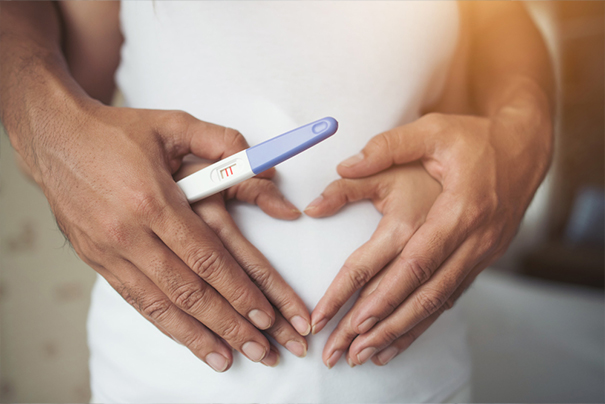
IUI can be beneficial for cases of mild male infertility, unexplained infertility, or when donor sperm is being used. By being less complex than other treatments, it offers a straightforward approach to improving the chances of conception.

simplicity

The IUI Process

Step 1

Monitoring Ovulation

Your cycle is tracked through blood tests and ultrasounds to identify the optimal time for insemination.

Step 2

Ovarian Stimulation (Optional)

In some cases, fertility medications may be prescribed to encourage the development of more than one egg, increasing the chances of pregnancy.

Step 3

Triggering Ovulation

If stimulation medications are used, an injection of hCG may be administered to trigger ovulation, usually about 36 hours before the procedure.

Step 4

Sperm Collection & Preparation

On the day of insemination, a sperm sample is collected (typically by masturbation). The sperm is then washed and concentrated in the laboratory to select the healthiest and most active ones.

Step 5

Insemination

The process itself is quick and involves placing the prepared sperm into the uterus with the help of a thin catheter passed through the cervix. This is performed in the clinic.

Step 6

Follow-Up

After insemination, you’ll be advised on when to test for pregnancy—generally around two weeks later—to determine if the cycle has been successful.

whatsapp